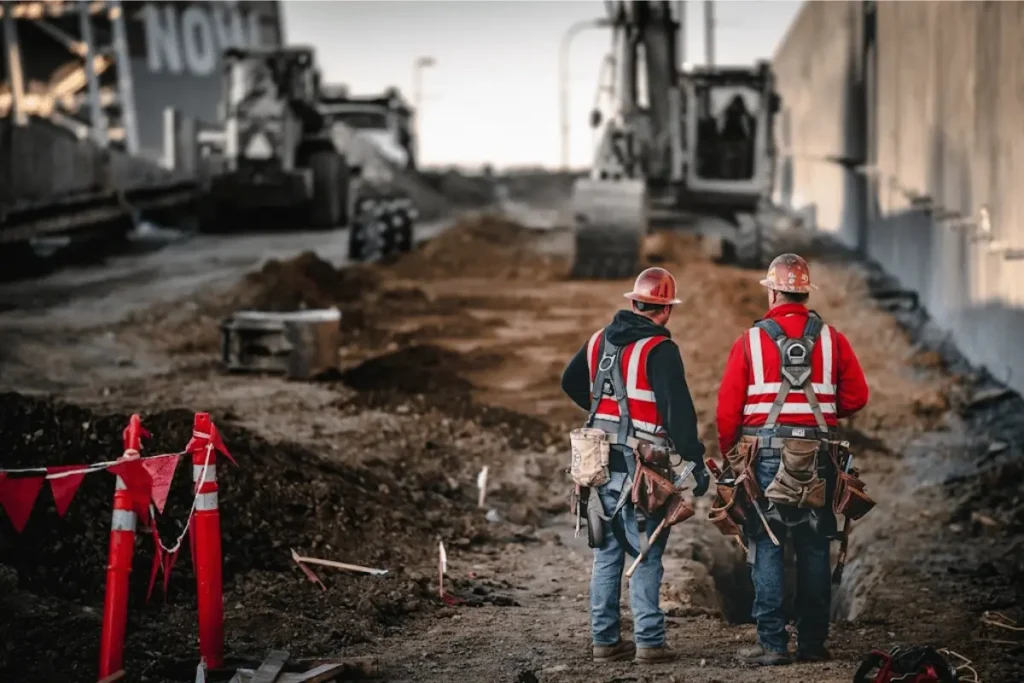
Hiring a contractor for a major home or building project can be difficult. Even when you have professionally prepared plans, a licensed contractor, and the best intentions, problems can still arise during construction.
The key is not simply choosing the right contractor. A successful project also requires a process for managing the work, documenting decisions, inspecting progress, and controlling payments.
Here are six practical steps that can help reduce the chances of ending up with a contractor disaster.
1. Choose a Locally Owned Contractor
When evaluating contractors, ask whether the company is locally owned or part of a larger ownership group.
A locally owned company’s reputation is closely tied to the community it serves. Local contractors have an ongoing relationship with homeowners, businesses, and other customers in the same area, making their local reputation an important part of their business.
This does not mean ownership structure alone determines the quality of a contractor. However, it is one factor worth considering when evaluating who you want working on your property.
Ask directly:
“Is this company locally owned, or is it part of a larger ownership group?”
Understanding who actually owns and operates the company can help you make a more informed decision.
2. Be Cautious of Aggressive Sales Tactics
High-pressure sales tactics can make an already complicated decision even more difficult.
Be cautious when a contractor:
- Pushes you to make a same-day decision
- Creates artificial urgency
- Offers discounts that are only available immediately
- Discourages you from getting another opinion
- Pressures you to sign before you have reviewed the scope
A contractor should be able to explain the proposed work and give you reasonable time to understand your options.
Before hiring anyone, make sure you understand:
- What work is being proposed
- What materials will be used
- What the project will cost
- What is included and excluded
- How long the work is expected to take
Getting multiple proposals can also help you understand whether the scope and pricing are reasonable.
3. Consider Hiring an Independent Third-Party Inspector
For major construction projects, an independent inspection can be an important project expense.
A structural engineer, home inspector, or specialty consultant hired by the property owner—not the contractor—can provide an independent perspective on the work.
For larger projects, consider scheduling inspections at important milestones before work becomes concealed by:
- Drywall
- Backfill
- Flooring
- Ceilings
- Exterior finishes
- Other permanent materials
Once construction is covered up, inspecting what is underneath can become much more difficult and expensive.
Even good contractors can miss details during a complicated project. Independent inspections provide another opportunity to identify potential problems while they can still be addressed.
4. Make Sure the Contract References the Plans and Specifications
Your written contract should clearly identify the plans and specifications that govern the work.
A vague description such as:
“Install beam per discussion”
can leave substantial room for disagreement about what was actually required.
Instead, the contract should clearly identify the applicable plans and specifications, including their dates and revisions.
The contract should establish that the contractor is expected to perform the work in accordance with the identified documents.
Clear documentation helps everyone understand:
- What work is included
- Which materials are required
- How the work should be performed
- What standards the completed work should meet
The more specific the contract is, the less room there is for misunderstandings about the scope of work.
5. Keep Important Communications in Writing
Construction projects involve countless conversations, decisions, and changes.
Do not rely solely on verbal agreements.
When an important conversation takes place, follow up with an email or other written communication confirming what was discussed.
For example:
“Per our conversation today, you agreed to X before proceeding.”
Written documentation can help create a clear record of:
- Scope changes
- Project concerns
- Contractor commitments
- Schedule changes
- Material selections
- Payment discussions
- Other important decisions
Contractors who are doing good work should generally have no reason to object to reasonable documentation of project decisions.
6. Tie Payments to Completed Work
Payment schedules should correspond to clearly defined stages of work.
Avoid paying substantially ahead of the contractor’s progress whenever possible. Instead, establish specific payment amounts tied to identifiable milestones.
For example, each payment could be associated with completion of a clearly defined portion of the project.
Your contract should establish:
- The amount of each payment
- The work that must be completed before payment
- When payment is due
- What happens if the work is incomplete
A clearly defined payment schedule gives both the property owner and contractor a shared understanding of how progress and payments are connected.
Don’t Stop Managing the Project After You Hire the Contractor
Hiring a contractor is only the beginning.
Continue paying attention to the project as construction progresses. Visit the property, ask questions, and document what you see.
Consider taking photographs:
- Before work begins
- Before walls and ceilings are closed
- Before floors are covered
- At major construction milestones
- When changes or concerns arise
If something does not look right, raise the concern promptly.
Most importantly, document significant concerns in writing rather than relying solely on a conversation.
Why Having a Process Matters
Even a project with professionally prepared plans and a licensed contractor can encounter problems.
The difference is often not simply the amount of information available to the property owner. It is the process used to manage the project.
A strong process can include:
- Carefully evaluating contractors
- Establishing a clear written scope
- Referencing plans and specifications in the contract
- Using independent inspections when appropriate
- Documenting project communications
- Connecting payments to completed work
These steps can help property owners stay informed and identify potential problems before they become more difficult or expensive to address.
When Should You Bring in an Independent Engineer?
For projects involving structural modifications, significant renovations, or complex construction work, an independent engineer can provide valuable oversight before and during construction.
Depending on the project, professional services may include reviewing existing conditions, preparing or reviewing plans, performing construction-phase inspections, or evaluating completed work.
Having an independent professional involved can give the property owner another layer of oversight throughout the project.
Planning a Major Construction or Renovation Project?
A successful project starts with proper planning and continues with careful oversight throughout construction.
If you need help evaluating building conditions, reviewing structural concerns, or providing independent construction-phase inspections, Forma Engineering can help you navigate your project from planning through completion.